DigiTribe Online Youth Service
Gaming SocialsDigiTribe is an award winning youth service supporting children, young people and adults aged 6-25 who have SEND.
DigiTribe is a youth-led digital community where neurodivergent young people who are often excluded from mainstream education, youth provision and cultural spaces have the power, resources and support to create their own communities, opportunities and routes into adulthood.
LA Approved by Dudley & Worcs LA for EOTAS / Alternative Provision
Our approach puts young people first—we follow their lead, tap into their interests, and create safe spaces to find like-minded friends,explore their passions, learn new skills, and grow in confidence.
As an accredited AqA Unit Awards Centre and Arts Awards Centre, we can support our young people to build a portfolio of learning and certification if they want to, to support post-16 and beyond.
Winners of the Excellence in Youth Impact, Social Economy Awards 2025

Gaming Socials
We use private servers or games to host safeguarded, supportive multiplayer gaming social sessions. Whether it’s Minecraft, Roblox, Fortnite or Among Us, we hold a mix of Zoom and non-Zoom socials for children to make friends, enjoy playing online, hosted by our Digital Youth Worker team.
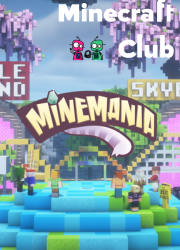
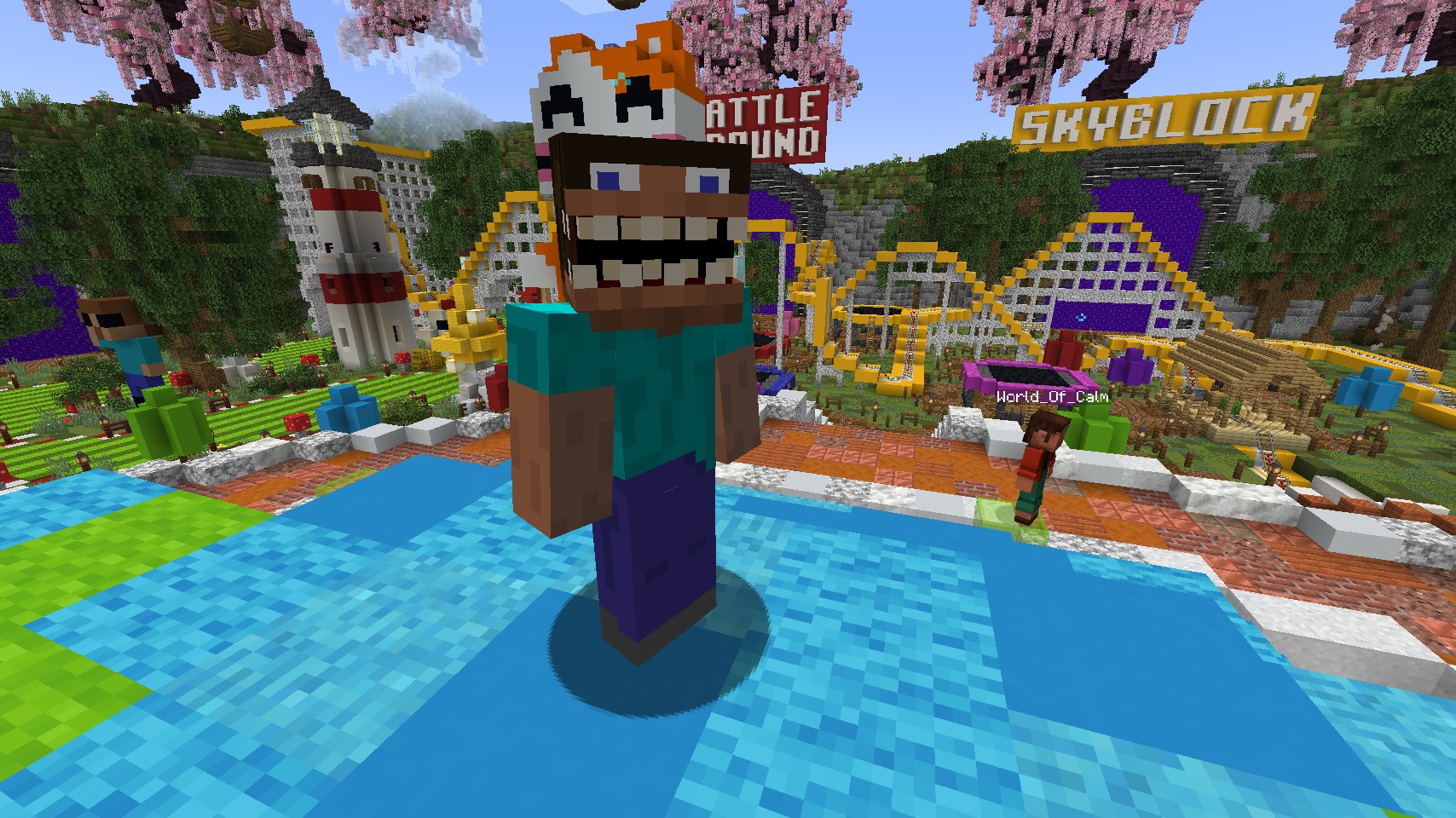
Join MineMania, our private Minecraft server.
We have a secure, safeguarded Minecraft server (accessible for the Java edition of Minecraft for PC only). Our server is officially approved by Mojang and Gamersafer as a safe and high quality Minecraft server for children.
We host Minecraft socials, and creative building sessions, and the server is always open for free play.
We have and SMP, creative worlds, mini-games, seasonal themed worlds, dungeons, a theme park, and much more!

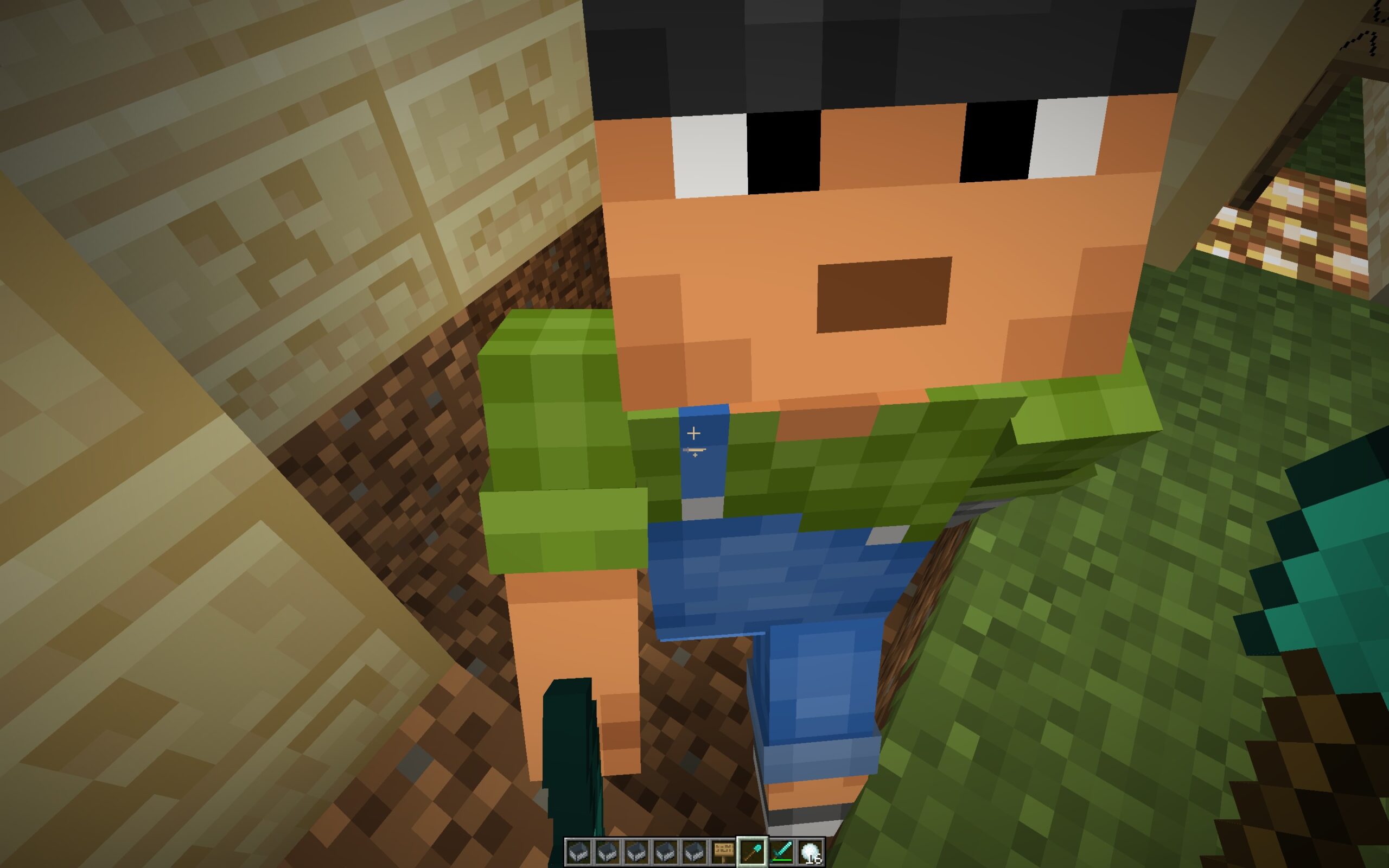
Neurodivergent Career and Role Model Talks
We have extended our services to support children post-16, through career and role model talks, CV writing support, digital skills classes, work experience placements and internships.
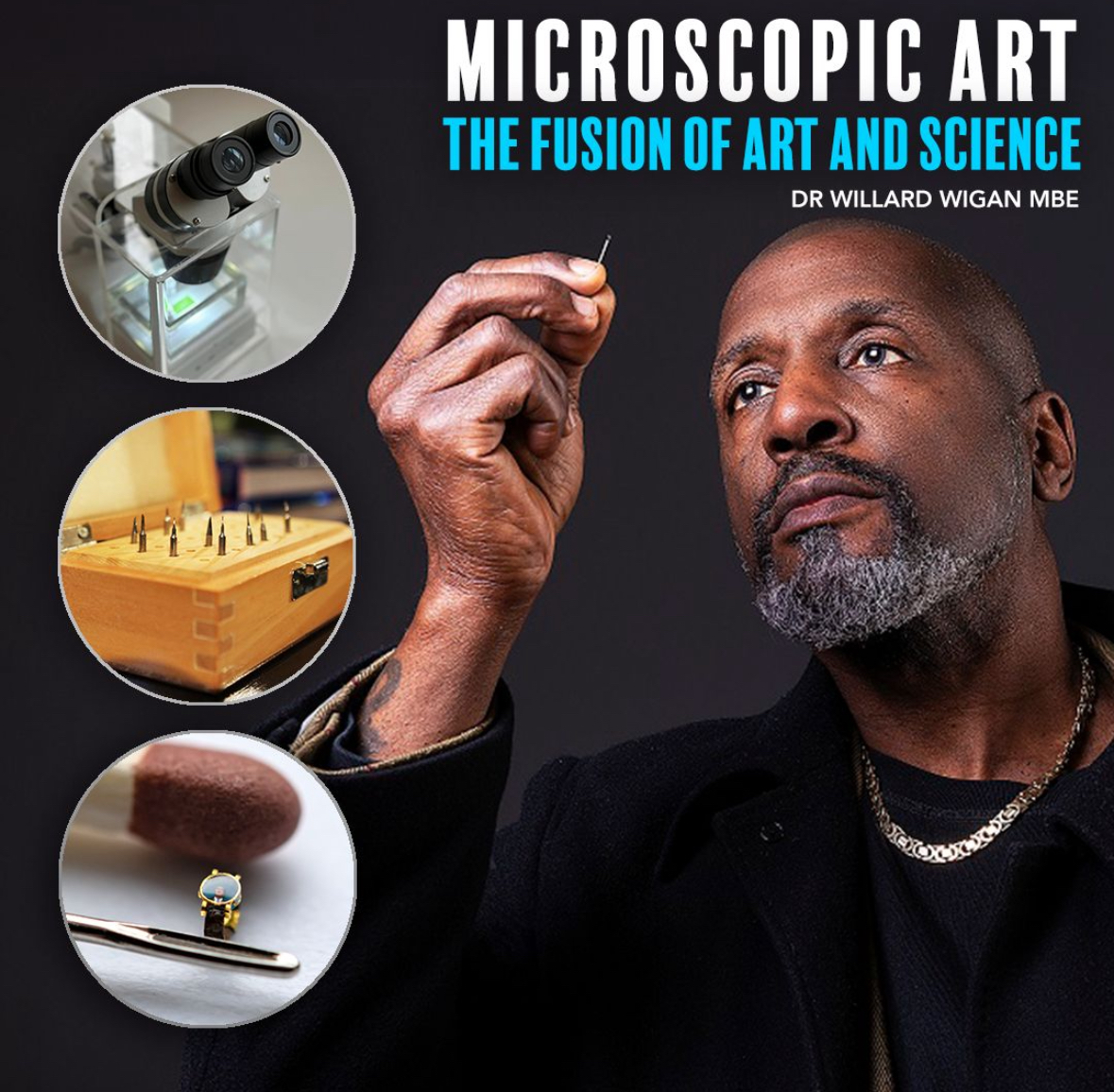


Flexible On Demand Classes and Videos
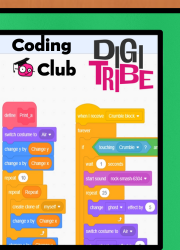
We hold online courses in Digital Music Production, YouTube creation, Coding, Game Design, 3D Modelling, Art, Science, and more – our courses are interest-led, and we co-design and co-produce sessions and courses with our members.
We have a mix of live online courses, and recorded on-demand courses in our subjects.

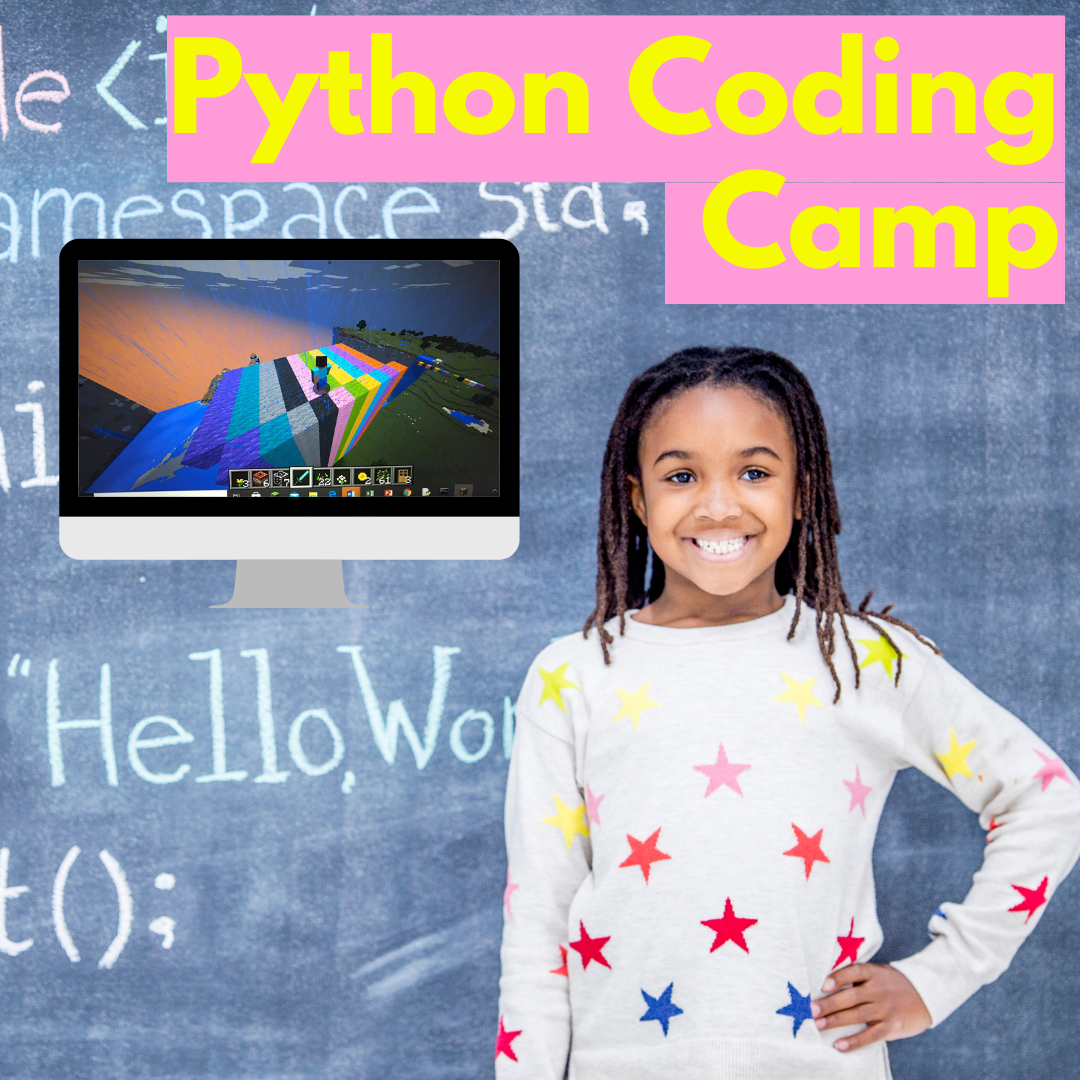
We are approved by Dudley Council to provide bespoke Alternative Provision/EOTAS from our Youth Hub in Halesowen (and online)
We also run home ed socials from there, along with SEND and Home Ed holiday clubs, and other STEM and Creative Workshops and Courses.
Find it on Facebook at Halesowen Youth Hub

What does it cost?
Social Clubs
Gaming socials hosted by our DigiTribe team.
- Minecraft
- Roblox
- Fortnite
- Among Us
Courses & Classes
Structured or semi-structured classes and courses coming soon!
- Digital Music Production
- 3D Modelling
- Game Design
- Coding
- Arts Awards
- AqA Unit Awards
- Art
On Demand
Access pre-recorded and prepared classes and courses coming soon!
- Arts Awards and AqA Unit Awards resources
- Bite size classes
- Longer courses
- No time limit to complete
- Your access will not expire
Our Neuro-affirming Values
At Creative Active Lives and DigiTribe, we do not believe children and young people should have to change who they are to fit into a service.
Our role is to create spaces where neurodivergent children and young people feel understood, respected and safe enough to take part in their own way. That means looking beyond behaviour, listening properly, adapting the environment and building trust before expecting engagement.
We believe support should start with the question: “What does this child or young person need right now?”
Not “How do we make them comply?”
Neuro-affirming practice means we value connection over control. We take time to understand what a child’s behaviour, communication, silence, movement or distress may be telling us. We do not see differences as problems to fix. We see the whole person.
We respect all forms of communication. Speech, typing, AAC, gestures, movement, silence, body language and play can all tell us something important. We do not force children to communicate in one “acceptable” way. We support them to express themselves in the way that works for them.
We respect sensory needs. Children and young people should not have to tolerate pain, overwhelm or discomfort just to prove they can cope. Headphones, movement, quiet spaces, breaks, fidgets, familiar routines and reduced demands are not special treatment. They are access needs.
We use interests as a route into learning, confidence and connection. Gaming, Lego, music, movement, circus, creativity, animals, coding, YouTube, Minecraft or anything else a young person loves can be the bridge into trust, skills and participation. Special interests are strengths. We build from them.
We presume competence. A child’s communication style, anxiety, disability, diagnosis or support needs should never lead us to lower our expectations of who they are or what they can achieve.
We offer access, choice and opportunity, while giving the right support around them.
We respect autonomy. Children and young people are allowed to say no. They are allowed to need time. They are allowed to make choices, set boundaries and have a say in what happens to them.
We support independence by giving people real choices, not by forcing compliance.
We support regulation rather than punish distress. When a child is overwhelmed, we stay calm, reduce pressure and help them feel safe again. We do not use shame, threats or consequences as a first response to unmet needs.
We understand that capacity changes. A child may manage something one day and not the next. That does not mean they are being difficult. It means support needs to flex with energy, anxiety, sensory load, sleep, health, confidence and what else is happening in their life.
For us, neuro-affirming practice is not a slogan. It is how we design our sessions, train our team, speak to families, respond to behaviour and build environments where children and young people can belong without masking who they are.